




Telegram Blocks Boost VPN Service Popularity

Roskomnadzor's Telegram blocking attempts paradoxically drive increased VPN adoption across Russia
According to VPN company representatives, paid subscriptions from Russia have reached growth rates of 1000% monthly. Russian IT companies, lacking trust in domestic solutions, are forced to purchase servers on foreign hosting platforms to create their own private VPN networks. Roskomnadzor continues restricting access to the messenger, having blocked 80 VPN and proxy servers specifically designed to bypass Telegram.
During Roskomnadzor's Telegram blocking campaigns, users frequently lose access to WhatsApp, Viber, Google Cloud, Amazon, and other services hosted on cloud servers. This has triggered a sharp surge in VPN service sales. The popular American provider Top Guard VPN reported subscription purchase growth beginning April 16, with growth reaching 1000%. Russia today represents the fastest-growing market for such companies, after the USA. Additionally, company representatives note that major Russian businesses and corporations are interested in their own private VPN networks.
Foreign VPN projects will always appear more reliable and significant to Russian customers, preventing domestic alternatives from achieving comparable results. If someone purchases a VPN to bypass blocks, they understand that Russian VPN services will comply with Roskomnadzor's first demand and restrict access to banned websites or Telegram.
Major IT companies are also concerned about potential future "accidental blocks" that harm their business due to Roskomnadzor actions. They're creating their own VPN networks on foreign hosting, frequently using the Netherlands. Market participants will continue investing in foreign servers, as no one can predict future restrictions on their services—making backup solutions essential. Of the 80 blocked VPN services, 10 had restrictions lifted after removing Telegram-bypass functionality.
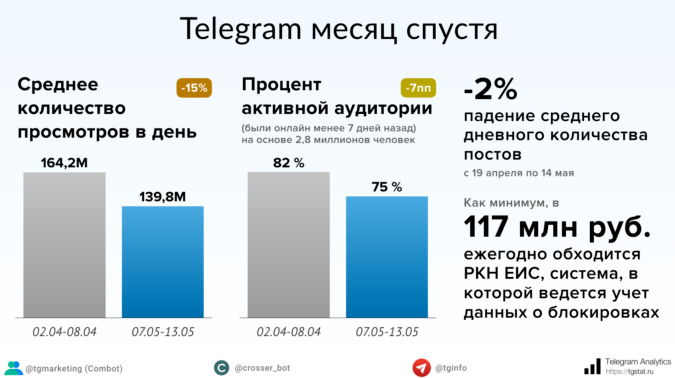
During the month of Telegram blocking, active user engagement declined noticeably. Previously reaching 82%, it's now at 75% daily. This decline stems from May holidays and users leaving the messenger due to its blocking. Worth noting: during New Year period, engagement dropped to 28%. The active audience will likely stabilize at current levels.