




Belarus Enacts Media Law Allowing Website Blocks Without Court Orders
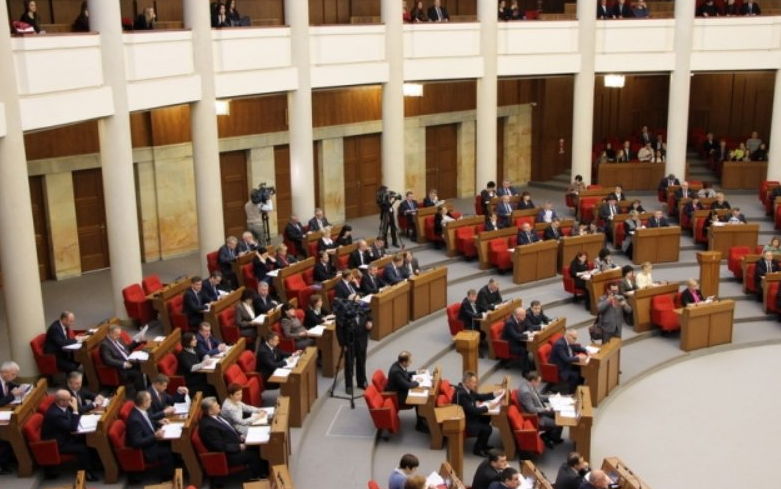
Belarus passes amendments to media law granting authorities power to block websites without judicial approval.
This will help identify commentators. In turn, if internet media journalists fail to register, they will not be considered journalists and their accreditation will be revoked.
Essentially, the new Media Law more precisely outlines requirements for all internet platforms, introduced for consideration by Information Minister Alexander Karlyukevich. According to this law, internet resources may voluntarily register as media outlets and will be called "network publications." However, identification of all commentators or any internet users who post materials on any websites, not just network publications, is mandatory. This applies to commentators on forums and social media as well. Additionally, foreign media programs in Belarus will be banned unless they receive state permission.
Television is also affected by the new bill, which requires TV channels to provide at least 30% Belarusian-produced content. Furthermore, the Information Ministry will have the right to request information sources to analyze content added to a resource, as well as personal data of the resource owner for identification purposes.
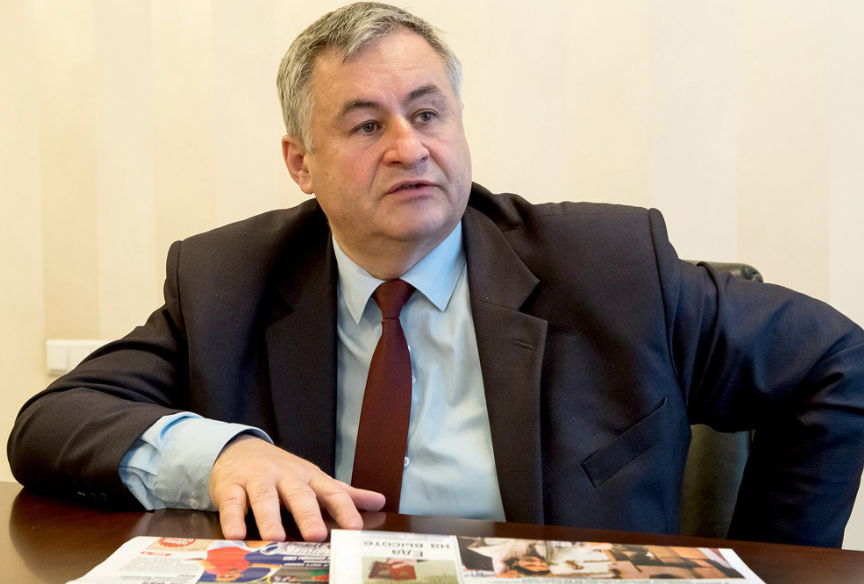
As A. Karlyukevich noted, these innovations are necessary for modern Belarus. We must keep pace with Russia. The bill also protects the country's public and national interests. Deputies questioned Information Minister Karlyukevich on whether only Russian and Kazakhstani experience was considered, or whether neighboring European countries were also reviewed. The answer was affirmative—the experience of France, Great Britain, and Germany was carefully studied. Another question concerned why pre-court blocking of resources was necessary. The answer lies in the speed of decision-making; court proceedings drag on, and many would understand they could continue their activities while awaiting actual blocking. Now, however, blocking will occur practically on the same day a decision is made.
Belarusian deputies also asked whether there would be an exodus of commentators to foreign forums and social networks. The Information Minister responded that SMS-based identification exists on many major internet resources, and everyone understands this is modern practice. If commentators don't want to comply with Belarus's current legislation, they are free to leave—there's nothing wrong with that.
The Belarusian Association of Journalists also weighed in with amendments of its own. The minister assured that these amendments are being reviewed and some will apparently receive positive responses.