



Apple Blocks Telegram Updates on iOS
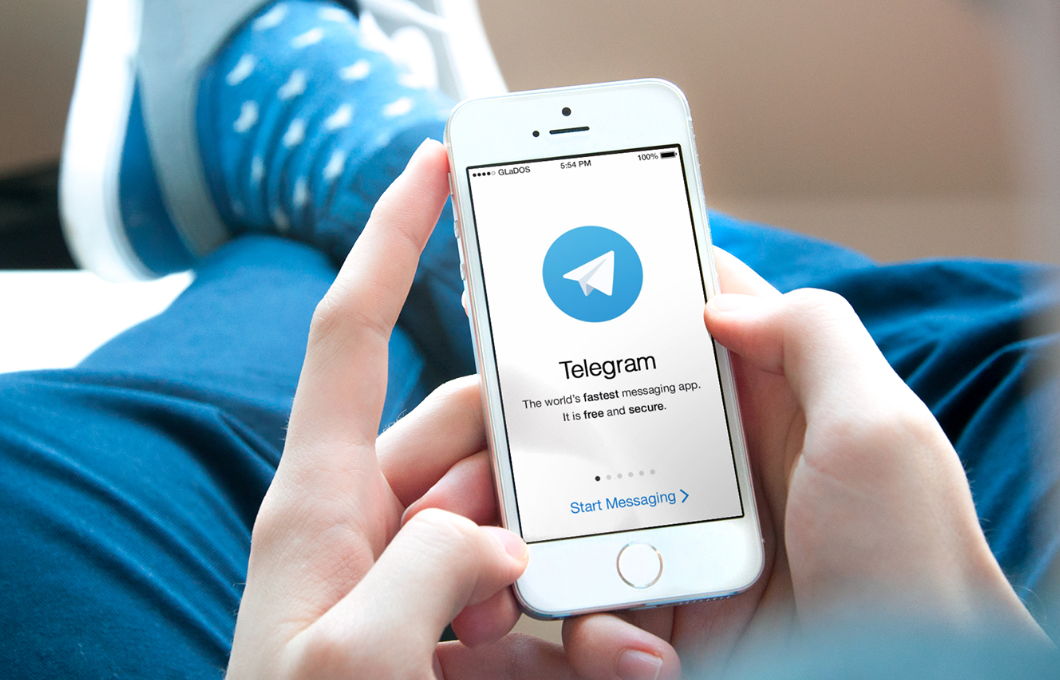
Since April 2018, Apple has blocked Telegram updates and push notifications in Russia
Essentially, Apple made it impossible to update Telegram starting April 15, as stated in the FAQ section. Meanwhile, Android device owners have no problem receiving updates—they've received the latest version recently with information about the updated personal data protection law. Over the past three months, there were 20 million visits to websites from Apple devices in Russia, compared to 65 million from Android devices.
What's the reason behind the Telegram block?
No official statement has been released by Apple representatives, but this practice is common for the company. It frequently blocks applications that violated its rules by preventing updates. A prime example is Spotify, which offered users payment without Apple's commission. However, after the iOS update restriction, Spotify reached an agreement with Apple in 2016, and now users can download and update the outdated version from the App Store again. The Breaking News app was also restricted from updating in 2015 when Apple spotted a competitor's Android logo in its graphics.
But everyone understands why Telegram ended up on this list—it's clearly due to Roskomnadzor's demands. That's when the active campaign against the messenger began, after it refused to provide encryption keys to the FSB. As Philip Kulin, who monitors sites blocked by Roskomnadzor, points out, Apple may not have even received a letter—they proactively monitor such issues with popular apps themselves.
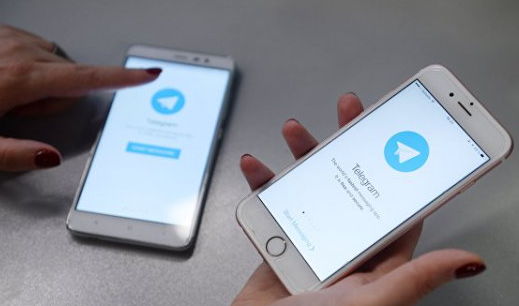
And here's what's most interesting: Roskomnadzor will likely have little success with Apple, since users can obtain updates from unofficial sources or bypass restrictions themselves using virtual private VPN services.
Moreover, Roskomnadzor issued an official demand to Apple this week, directly asking them to stop distributing Telegram through the App Store and cease its push notifications. The issue is that Telegram uses push notifications to download new IP addresses, which allows it to bypass the block. Roskomnadzor gave Apple 30 days to comply and expects a report—if they don't, the regulator threatens to "disrupt the App Store's functionality" in Russia.
In reality, Roskomnadzor has limited leverage over Apple, as the company's revenue from Russia is less than 1% of its global sales. Such a megacorporation can realistically afford to exit the Russian market. However, the potential loss of market presence may force Apple's leadership to remove the messenger from its online store.